Introduction
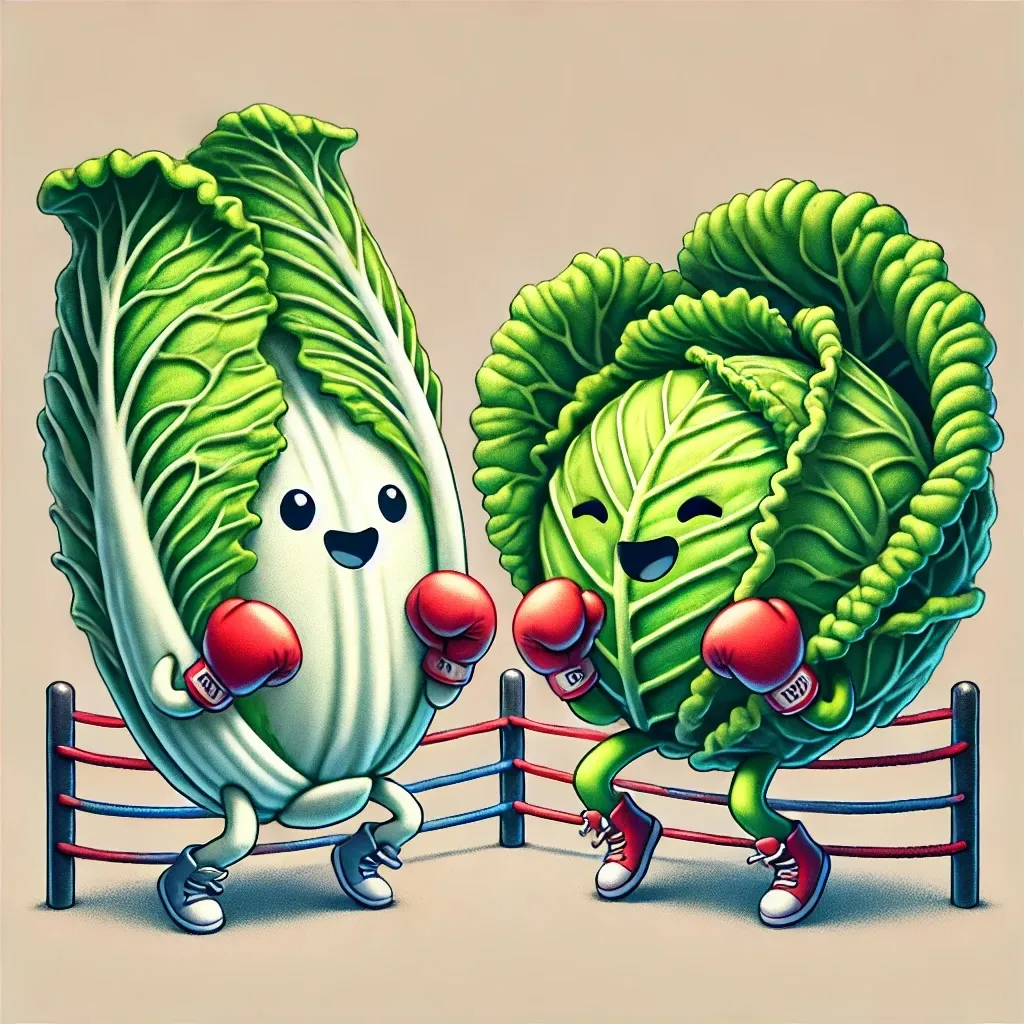
When it comes to cabbage, most people might be familiar with the classic green variety, but there are other types that add unique textures and flavors to dishes. Two of these varieties, savoy cabbage and napa cabbage, are often compared due to their versatility and place in different cuisines. While both types of cabbage offer excellent nutritional value, they have significant differences in texture, flavor, and culinary uses. Let’s dive into what makes savoy and napa cabbage distinct and compare their nutritional profiles.
Texture and Flavor Differences
Savoy cabbage is known for its distinct crinkly leaves, giving it a tender yet crunchy texture. The leaves are thicker and more robust compared to other cabbage varieties, which makes savoy ideal for roasting, stir-frying, or even using as wraps in place of tortillas. It has an earthy, mildly sweet flavor that becomes even sweeter when exposed to cold weather or frost, a natural defense mechanism in which starches are converted into sugars.
In contrast, napa cabbage (also known as Chinese cabbage) has soft, pale green leaves with a more delicate and juicy texture. It has a milder flavor that easily takes on other tastes, which is why it’s popular in Asian cooking. Napa cabbage is the star in dishes like kimchi, where its soft leaves absorb flavors beautifully. It also cooks faster due to its tender texture, making it convenient for soups and stir-fries.
Availability in China
While napa cabbage is widely available in China and a staple of traditional Chinese cuisine, savoy cabbage is less commonly found. Napa cabbage’s popularity is tied to its cultural heritage and versatility in common Chinese dishes. Savoy cabbage, which is popular in Western countries, has not yet found the same level of acceptance. Its thicker leaves and more intense flavor are different from what most Chinese consumers are accustomed to. It can be found in larger cities, in supermarkets catering to international tastes, or through online platforms, but it isn’t as ubiquitous as napa cabbage.
One reason for savoy cabbage’s limited availability in China is that local agricultural production focuses on vegetables with high demand and familiarity. Growing savoy cabbage is certainly possible, particularly in regions with cooler climates like northern China or highland areas, but without strong consumer demand, farmers are less inclined to cultivate it on a large scale.
Nutrition Comparison
Both savoy and napa cabbage are nutrient-dense, offering a host of vitamins and minerals while being low in calories. Here is a comparison of their nutrition profiles per 100 grams:
- Savoy Cabbage:
- Calories: 27 kcal
- Carbohydrates: 5.1 grams
- Sugars: 2.3 grams
- Dietary Fiber: 2.2 grams
- Protein: 2.0 grams
- Vitamin C: High (about 31 mg)
- Vitamin K: High (provides over 40% of the daily value)
- Napa Cabbage:
- Calories: 16 kcal
- Carbohydrates: 3.2 grams
- Sugars: 1.4 grams
- Dietary Fiber: 1.2 grams
- Protein: 1.0 grams
- Vitamin C: High (about 26 mg)
- Vitamin K: High (provides about 25% of the daily value)
Both cabbages are excellent sources of Vitamin C, which is important for immune function and skin health, as well as Vitamin K, which plays a key role in blood clotting and bone health. However, savoy cabbage has a slightly higher calorie content and a bit more fiber, making it a better option if you’re looking for a more filling vegetable. Napa cabbage, on the other hand, has fewer calories and a softer texture, making it more suitable for lighter dishes and those looking for a low-calorie addition to meals.
Culinary Uses and Preferences
The difference in texture and flavor directly influences the culinary uses of these two cabbages. Savoy cabbage, with its crunchier leaves, works well in recipes that benefit from added texture, such as salads, stuffed cabbage rolls, or even as a hearty addition to soups. It also holds up well to cooking methods that require longer times, such as braising or roasting.
Napa cabbage, with its mild and tender nature, is more commonly used in Asian dishes. Its ability to absorb flavors makes it a versatile ingredient in soups, stir-fries, and fermented dishes like kimchi. The quick cooking time of napa cabbage makes it an ideal choice for recipes where a delicate texture is desired.
Conclusion
While savoy cabbage and napa cabbage have their unique strengths, they can both play an important role in a healthy diet. Napa cabbage is better suited for those who want a light, mild, and versatile vegetable, ideal for quick-cooking dishes. Savoy cabbage, with its richer texture and robust flavor, adds a delightful crunch and depth to a variety of preparations.
Though savoy cabbage is less available in China compared to napa cabbage, its nutritional benefits and unique texture make it worth trying if you have access to it. Both types of cabbage are nutritional powerhouses that can bring variety and health benefits to your meals, each adding its own special touch to the table.